BIM for Facility Management
For building owners and facility teams, the real value of BIM begins after construction.
At this stage, the focus shifts from design coordination to operational clarity. Knowing what assets exist, where they are located, and how they should be maintained becomes critical for efficient facility management.
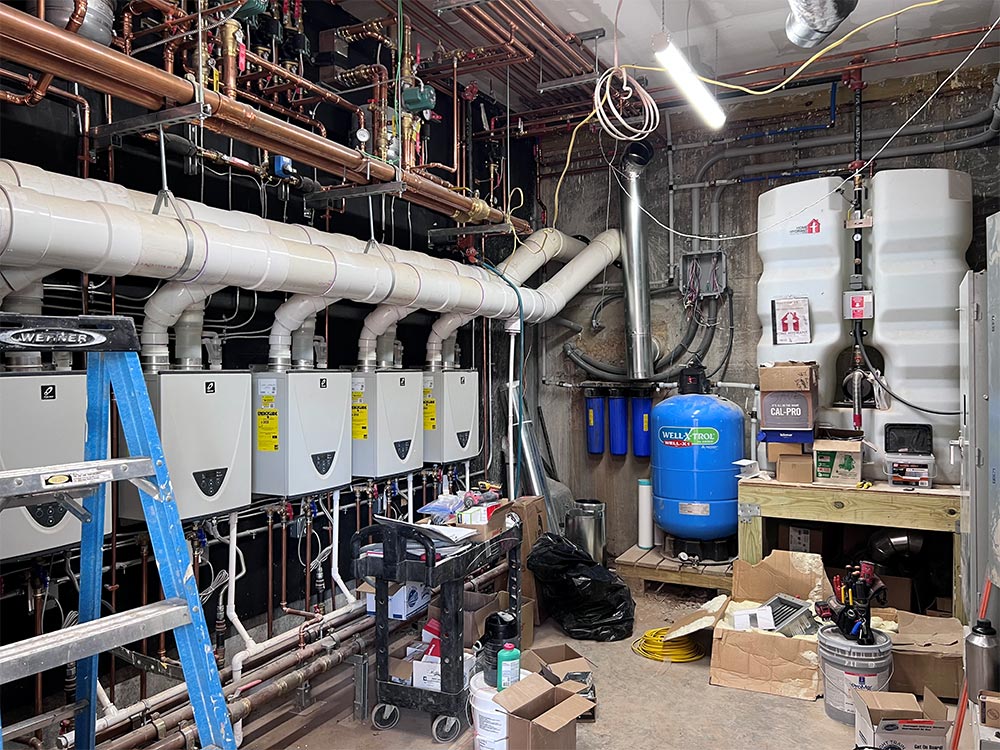
At United-BIM, we focus on bridging this transition from project delivery to facility operations. We develop BIM models and datasets that reflect as-installed conditions, aligned with how buildings are actually operated and maintained.
If you are looking to align BIM with facility management and ensure your handover data is structured for operations, we can support you in developing a reliable and usable information framework.
Connect with our team to discuss your project and facility requirements.
Who We Work With
This service is aligned with professionals responsible for asset performance and facility operations.
You require visibility into installed assets, lifecycle data, and long-term operational performance beyond project closeout.
You need access to accurate asset information, maintenance data, and system layouts without relying on scattered manuals and drawings.
You manage multiple properties and require consistent, structured data across facilities for reporting and planning.
You want to ensure that BIM deliverables are aligned with FM requirements, including COBie and asset data expectations.
How This Supports Your Facility Operations?
When BIM is structured in alignment with facility management requirements, it becomes a working layer of information that directly supports operational workflows.
Your team can map assets directly to their physical location and system hierarchy within the facility.
You can access asset information in a consistent and queryable format aligned with maintenance requirements.
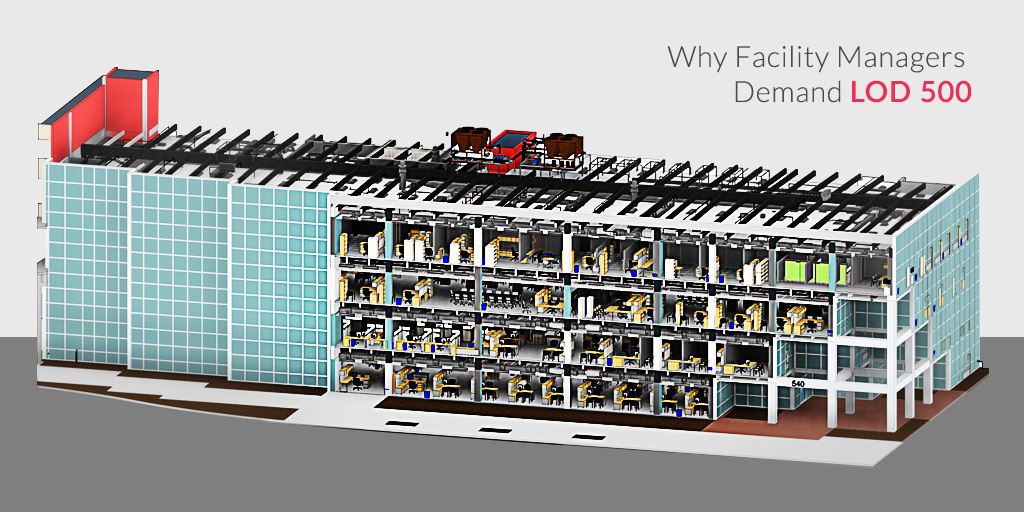
Your team works with models that reflect actual installed conditions, including LOD 500 where required.
Instead of viewing assets in isolation, your team can understand how systems are connected across the facility.
Your team can work with a centralized and coordinated dataset rather than relying on multiple disconnected sources
Instead of viewing assets in isolation, your team can understand how systems are connected across the facility.
Your BIM data can be structured to align with facility management systems, enabling
Bring Structure to Your Building Information
Turn fragmented models and documents into a reliable system for facility operations.
Our Scope of Work
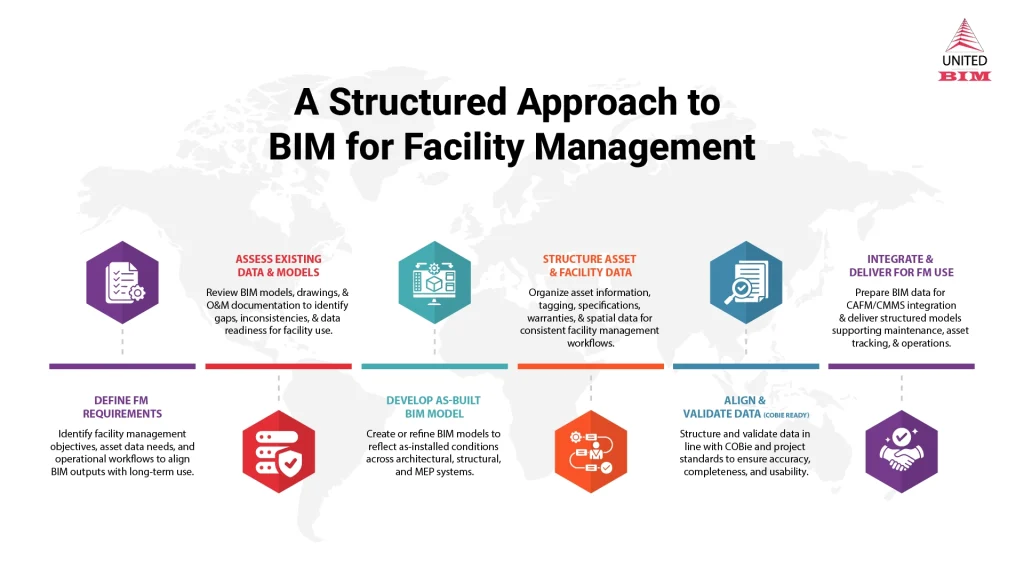
Our scope focuses on structuring both BIM models and associated data to align with facility operations.
Accurate, construction-aligned BIM models that reflect real site conditions, giving your team a reliable digital twin for operations, with LOD 500 delivered where required.
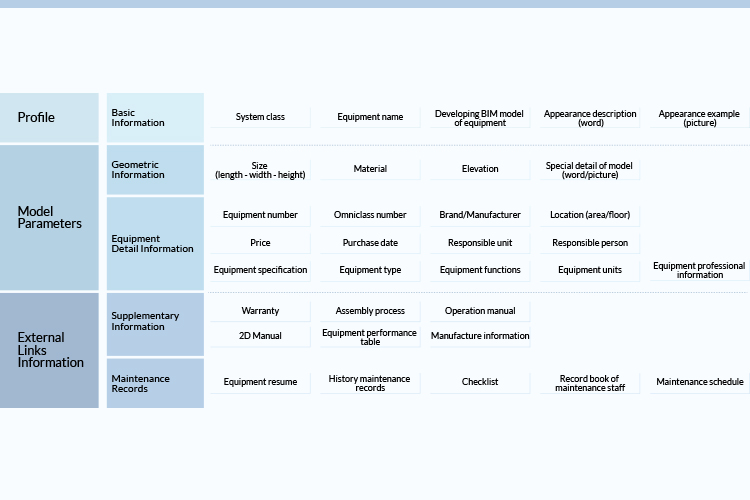
Clean, structured asset data ready for facility use, covering tagging, specifications, warranties, and maintenance, so nothing critical is lost post-handover.
COBie-compliant datasets that ensure seamless data exchange, helping you avoid rework and enabling a smooth transition into operations.
Well-structured spatial data that supports clear space identification, accurate calculations, and precise asset-to-space mapping for better facility control.
Data prepared and aligned for direct integration with CAFM or CMMS platforms, reducing setup time and enabling faster operational readiness.
Thorough validation ensures complete, consistent, and usable data so your facility team can rely on it from day one.
Application Across Project Types
Our BIM for facility management services are applied across projects where asset clarity and operational continuity are essential:
- Healthcare facilities with complex equipment and compliance requirements
- Airports and infrastructure projects with interconnected systems
- Commercial developments focused on lifecycle performance
- Educational campuses managing multiple buildings
- Industrial facilities with high equipment dependency
Check out our useful resources
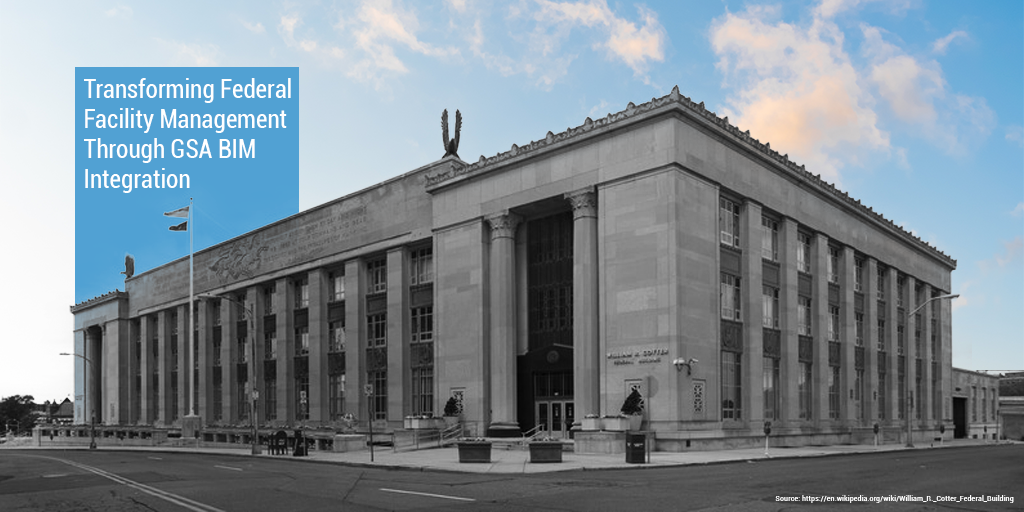
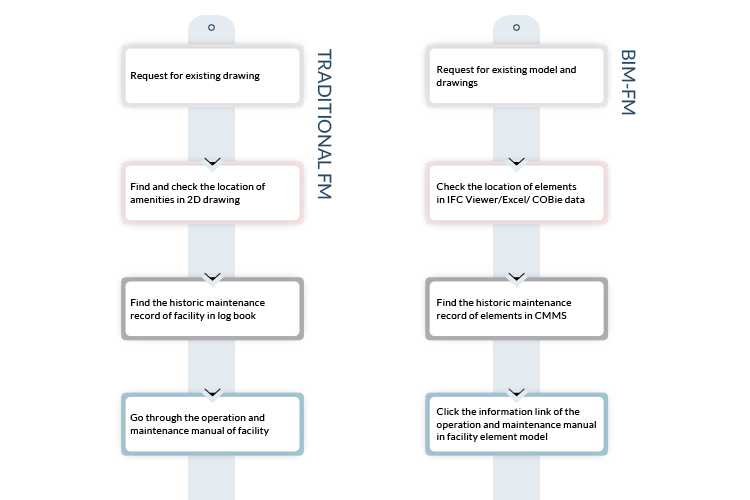
Infographic- Traditional Facility Management (FM) vs. BIM-FM in the Facility Management Process
USA

Let us Know Your BIM for Facility Management Requirements
FAQ’s
BIM enables facility teams to work with structured, location-aware asset data rather than disconnected documents. It improves visibility of systems, supports maintenance planning, and provides a reliable reference for operations. This leads to better control over assets, faster decision-making, and improved lifecycle management.
Commonly used platforms include Autodesk Construction Cloud (BIM 360), Archibus, IBM Maximo, Planon, and Bentley iTwin. These platforms support asset management, maintenance workflows, and integration with BIM data for facility operations.
BIM data can be structured and aligned with CAFM or CMMS platforms using standardized formats such as COBie. This ensures that asset information, system data, and maintenance parameters can be directly mapped into existing workflows without duplication or data loss.
BIM provides quick access to accurate asset data, system connections, and maintenance information. This reduces time spent locating equipment, minimizes errors, and supports planned maintenance, leading to more efficient and predictable facility operations.
Platforms such as Autodesk Tandem, Bentley iTwin, and digital twin-enabled systems support real-time data updates by integrating BIM with IoT and live building systems. These tools are typically used in advanced facility environments where continuous monitoring is required.
The cost varies depending on project size, asset complexity, level of detail, and data requirements. Enterprise-level solutions typically involve costs for model development, data structuring, and system integration, and are best evaluated based on project scope and long-term operational value.
Not all projects require BIM for facility management. It becomes particularly valuable in large or complex facilities where asset volume, system interdependencies, and long-term maintenance requirements justify structured data and centralized information management.
Yes, existing BIM models can be assessed and enhanced to align with facility management requirements. This may include updating models to reflect as-installed conditions and enriching them with structured asset data.
How is data accuracy ensured in BIM for facility management?
Data accuracy is ensured through structured workflows, validation processes, and alignment with standards such as COBie. This includes checking asset data completeness, consistency, and coordination with model elements before final delivery.