COBie Asset Type List by GSA for BIM Projects
COBie asset type classification plays a critical role in defining what information needs to be delivered for facility management and operations.
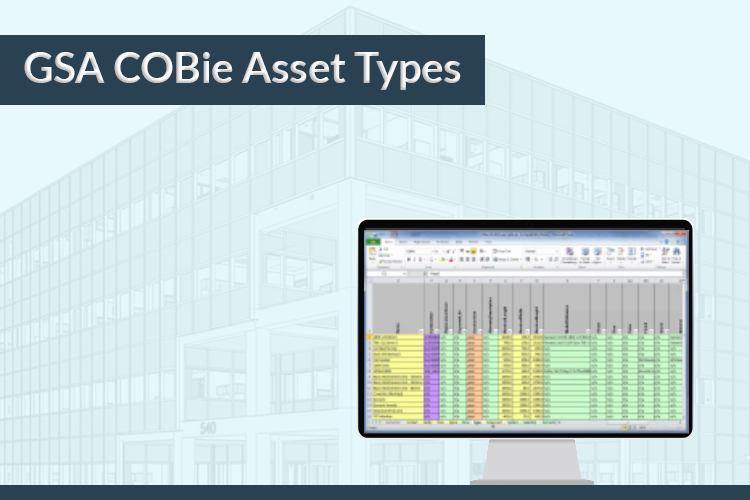
This infographic provides a structured list of COBie asset types based on GSA guidelines, helping project teams understand which assets are typically included in COBie deliverables.
It highlights:
- Asset types commonly included in O&M scope
- Equipment with moving parts that require tracking
- How asset inclusion is defined for COBie submissions
This resource is particularly useful for:
- BIM managers and VDC teams handling COBie deliverables
- Contractors responsible for asset data submission
- Project teams working on GSA or COBie-driven projects
Since asset scope can vary depending on project type and contract requirements, this infographic helps teams establish a clear baseline for COBie asset inclusion early in the project lifecycle.
Explore More BIM Resources
Frequently Asked Questions
A COBie asset type list defines which building assets should be included in COBie deliverables for facility management and operations.
Assets usually include equipment with moving parts and components that require maintenance, such as HVAC systems, electrical equipment, and plumbing components.
GSA provides guidelines on which asset types should be included in COBie deliverables, focusing on assets relevant to operation and maintenance.
Asset types help ensure that only relevant and maintainable components are included in the final data deliverable, making it useful for facility management teams.
The responsibility typically lies with the project team, including owners, BIM managers, and GSA representatives, depending on project requirements.
They should be defined early in the design phase so they can be incorporated into BIM models and construction documents.
No, only assets that are relevant for operation and maintenance are typically included, not every modeled element.
COBie asset data provides structured information about building components, making it easier for facility teams to manage maintenance and operations.
Yes, asset types can vary depending on project scope, facility type, and contractual requirements.
BIM elements represent all modeled components, while COBie asset types include only those assets that need to be tracked for operation and maintenance.